

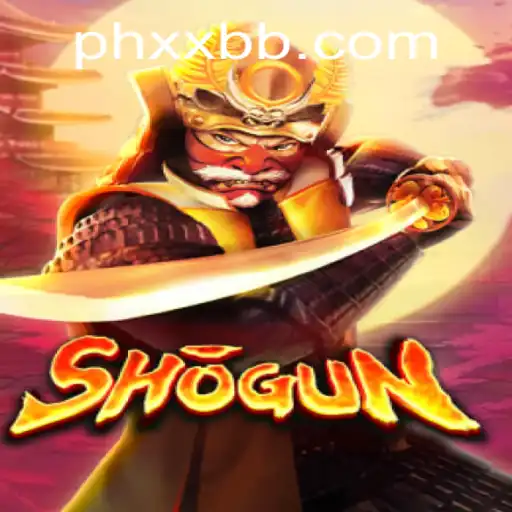

Shogun is a captivating strategy game that intricately weaves historical elements and strategic depth to provide an engaging experience for players. It is set in the tumultuous era of feudal Japan, a period marked by endless warfare and political maneuvers. This game challenges players to adopt the role of regional daimyo, vying to expand their territories and consolidate power to become the ultimate shogun.
To truly appreciate the depth of Shogun, it is essential to understand the rich historical context from which it draws inspiration. The game is set during the Sengoku period of Japan, a time when the country was fractured into warring states. This era was characterized by samurai battles, shifting alliances, and the relentless pursuit of dominance. Players are encouraged to immerse themselves in this world, seeking to navigate the intricate socio-political landscape to rise to the top.
At the core of Shogun lies a strategic gameplay that blends resource management with tactical warfare. Players must carefully balance their resources, including rice and troops, while planning their next move. The game employs a turn-based system, ensuring that players have ample time to strategize and anticipate their opponent's actions. This aspect of the game tests decision-making skills and the ability to adapt to changing circumstances.
An integral component of Shogun is the tile placement mechanism, which highlights the importance of territory control and expansion. As players secure areas on the board, they gain access to additional resources, furthering their ability to wield power and influence. This mechanism is pivotal in deciding the outcome of the game, making each move critical.
The game begins with players choosing their respective clans, each with unique abilities and strengths. This selection process adds an additional layer of strategy as players must adapt their tactics to complement their clan’s strengths. As the game progresses, players are tasked with managing their resources meticulously, constructing castles, and recruiting armies to expand their influence.
A distinctive feature of Shogun is the introduction of the Wako pirates, represented by the keyword XXBB. The Wako pirates ramp up the game's complexity, occasionally disrupting supply lines and attacking vulnerable territories. Players need to craft strategies to defend against these raids while maintaining their expansion goals. The inclusion of the Wako pirates adds unpredictability and demands heightened awareness from all competitors.
Understanding the rules of Shogun is paramount for players aiming to master the game. The game is structured into phases that each serve a strategic purpose. The initial phase involves resource allocation, where players distribute rice and allocate troops to fortify their positions. Following this, the action phase unfolds, involving battles, negotiations, and strategic maneuvers.
Combat in Shogun is resolved through a unique token-based system, where players engage in battles to capture opponent territories. The outcome of these battles is influenced by several variables – troop strength, strategic placement, and the element of surprise. Players must weigh the risk of engaging in battles carefully, as aggressive expansions can lead to overextension and vulnerability.
Interestingly, Shogun's themes of strategy, control, and adaptability resonate with current global events. The world is witnessing a resurgence in strategic challenges, especially in political arenas where alliances, power struggles, and territorial disputes are commonplace. This parallel elevates the relevance of Shogun, providing players a platform to explore these concepts in a simulated environment.
Additionally, the game encourages reflective thinking regarding leadership and decision-making, qualities paramount in navigating today’s complex geopolitical landscape. Players are invited to evaluate their choices, modeling their strategies based on historical precedents and modern insights.
Shogun stands out not only as a game of strategy but as a rich narrative of historical events brought to life within engaging gameplay mechanics. As players delve into the world of the samurai, they encounter challenges that mirror both past and present struggles for power and supremacy. Through adaptive strategies, careful planning, and keen anticipation of opponents’ moves, participants are offered a dynamic and educational experience that extends beyond the board.
Dive into the exhilarating world of XDemon, an innovative game capturing global attention with its unique gameplay and dynamic rules. This article provides a comprehensive look at XDemon, its connection to the keyword XXBB, and its relevance in today's gaming landscape.

Explore InvincibleElephant, an enthralling game blending adventure and strategy with unique rules and the captivating twist of the XXBB challenge.

Dive into the captivating universe of DragonKoi, where strategy and imagination merge in a thrilling gameplay experience.

Discover the captivating universe of WildHeistCashout, a unique game blending adventure and strategy, with an insight into its rules, features, and current trends.

Dive into the captivating realm of MagicScroll, an immersive game that combines strategic gameplay with mystical elements. Discover the unique rules and introduction of MagicScroll, alongside the intriguing keyword 'XXBB'.

Dive into the immersive universe of MuseumMystery, a captivating game that challenges players with the intricate keyword 'XXBB.' Discover its compelling storyline, gameplay mechanics, and timely connections to today's global events.
